
#!trpst#trp-gettext data-trpgettextoriginal=1360#!trpen#???????:#!trpst#/trp-gettext#!trpen# Uncategorized
-

Spain or the UK for residential treatment? Setting, clinical provision, cost and suitability compared, and what should actually decide it.
-

Who is responsible for your care at InHarmoni: the medical, psychological and psychosocial teams, their training, and why a multidisciplinary team matters.
-

Medical oversight at InHarmoni: assessment and supervision, psychiatric evaluation where required, and medically supervised detox in the first stage of treatment.
-

Marbella can be a good setting for residential treatment, but never the reason to choose a centre. What matters more, and what daily life actually involves.
-

Aftercare is where recovery is tested. What InHarmoni includes: continuing-care planning, relapse prevention, a case manager and four months of follow-up.
-

Why InHarmoni recommends a minimum of 28 days, how the four weeks are structured, and when a shorter or longer programme makes clinical sense.
-

Visits at InHarmoni are considered individually and limited to special circumstances. How family therapy and the Family Support Programme work instead.
-
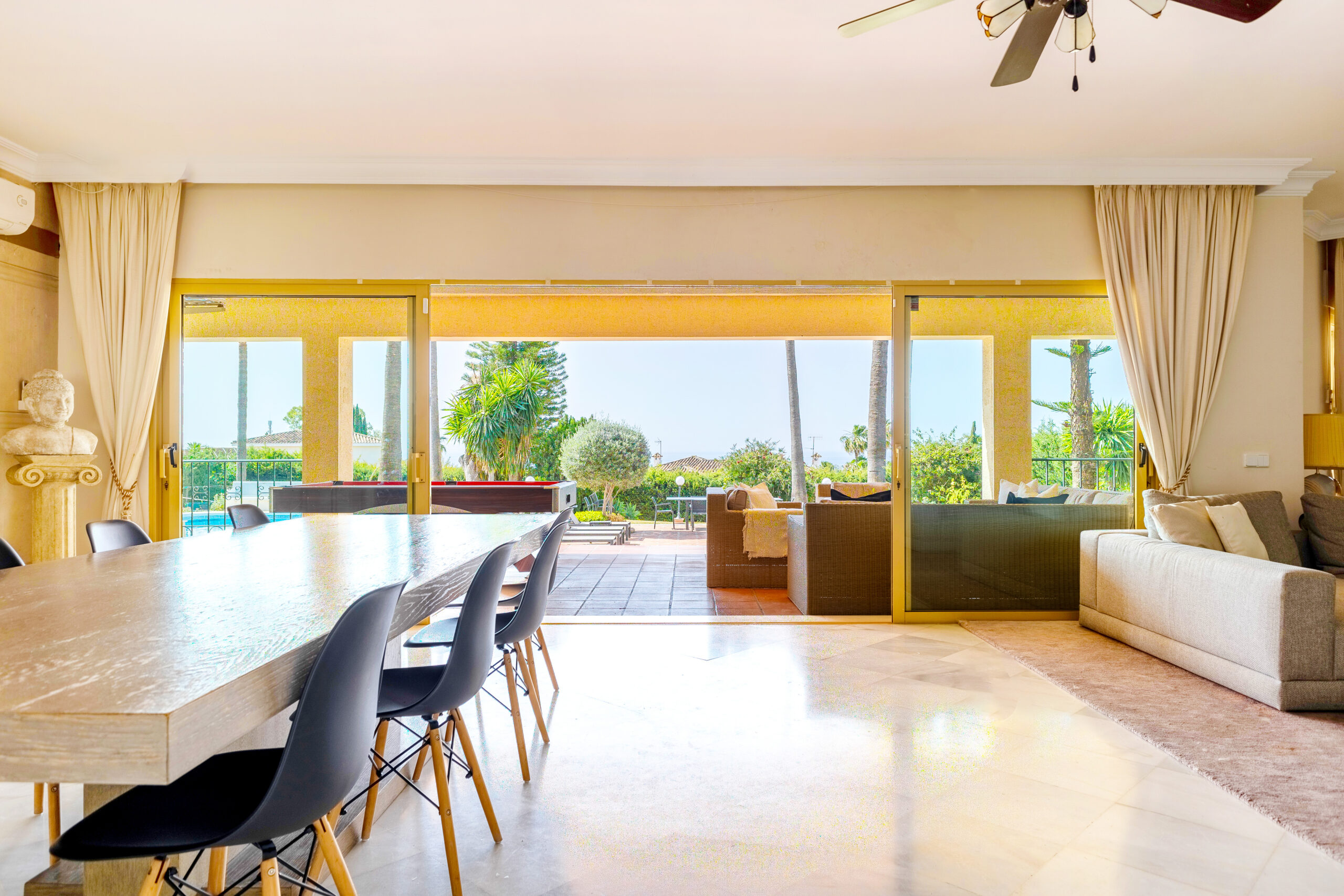
Ketamine dependency requires an individual clinical assessment. What InHarmoni treats, why polydrug use matters, and how to start a confidential conversation.
-

Cocaine addiction treatment at InHarmoni: assessment, medically supervised detox where required, individual therapy, CBT, ACT and relapse prevention.
-

Dual diagnosis means a substance use disorder alongside a mental health condition. Why integrated treatment matters, and how InHarmoni approaches it.


